Tesla Model 3 rear spoilers

Simulated first. Made second.

Two rear spoilers from a CFD program with 438,164 solver iterations behind it. Nothing gets made until the numbers hold up. The engineering is the product.

110–119 NRear downforce our spoilers add at 80 mph, on our finest CFD mesh
0.7 mmSingle-wall skin. The airfoil is its own exoskeleton.
≈225 gCalculated from the CAD. Built to be the lightest spoiler on a Tesla.
249CFD solver runs on the Model 3 spoiler program

Two spoilers. One airfoil.

Both start from the same exoskeleton airfoil. V3 Beta keeps clean tips; V3 Alpha adds two swept plates. On our finest mesh both add 110 to 119 N of rear downforce at 80 mph and trim drag by 2 to 3%. Within the error bars, that is a tie.

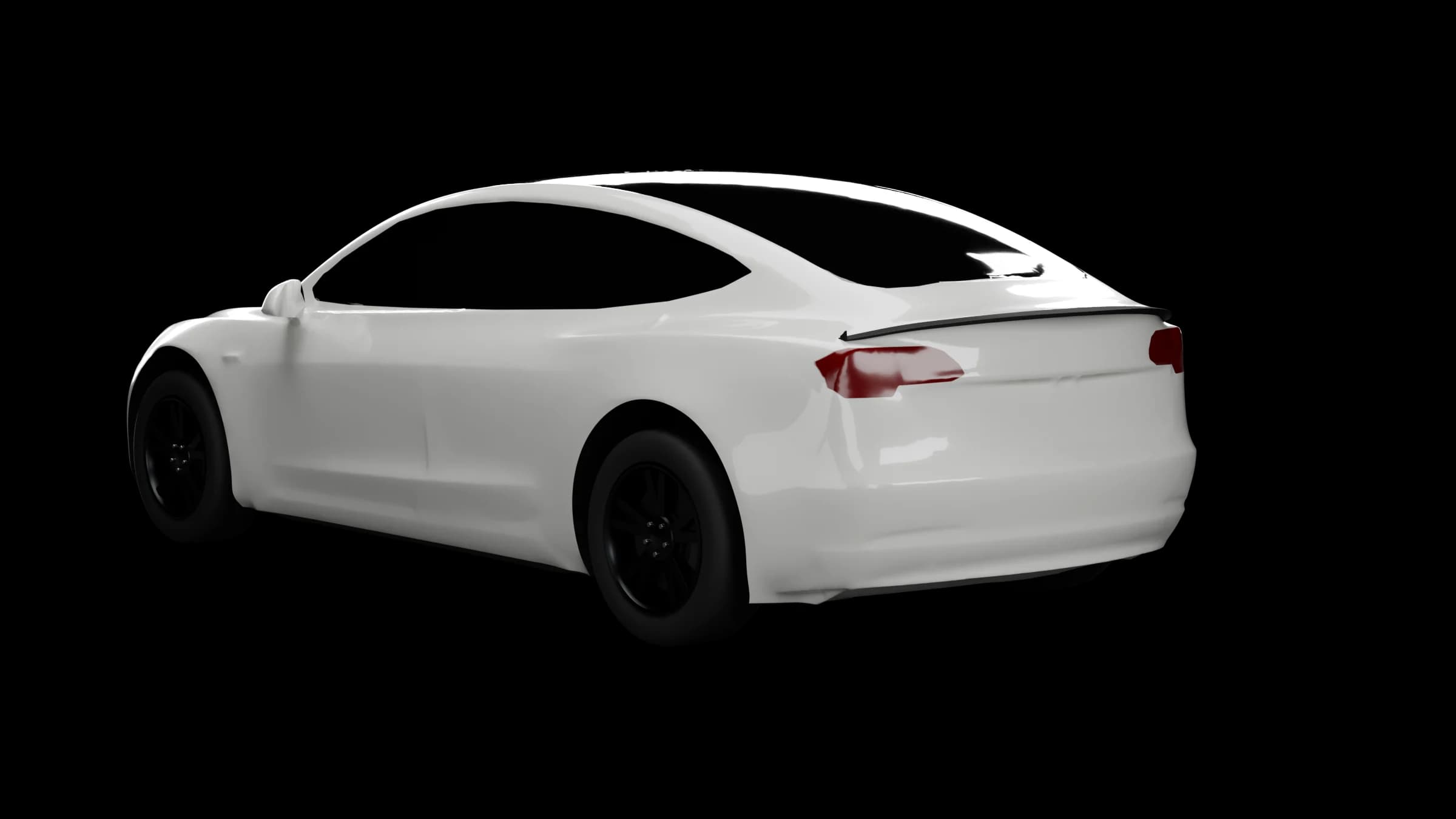
White Model 3 with the V3 Beta spoiler, rear three-quarter view

V3 Beta

$999

About 120 N of rear downforce at 80 mph. Clean tips, no endplates.

A full-width exoskeleton airfoil that wraps the trunk lid edge, with clean tips and no endplates. On our finest simulation it adds about 120 N of rear downforce at 80 mph and trims drag by about 3%.

Rear downforce, 80 mph
+119 N
Drag, 80 mph
−10 N
Weight (calc.)
≈225 g
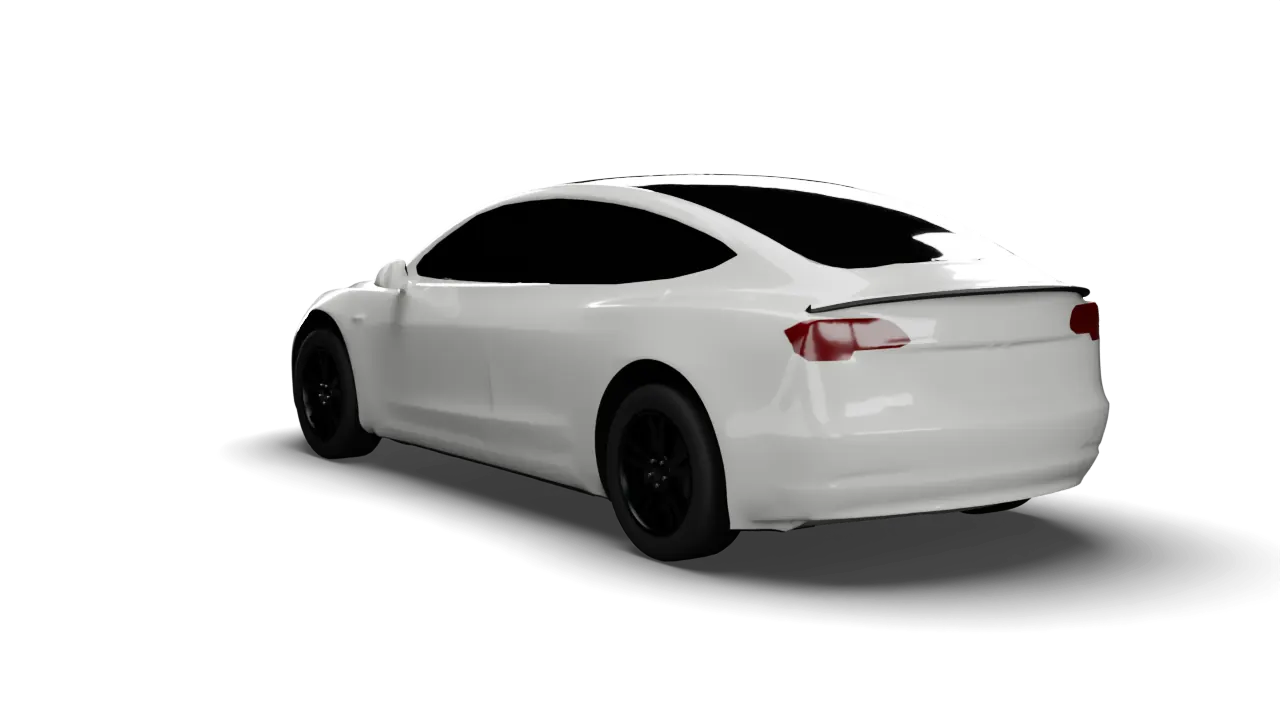
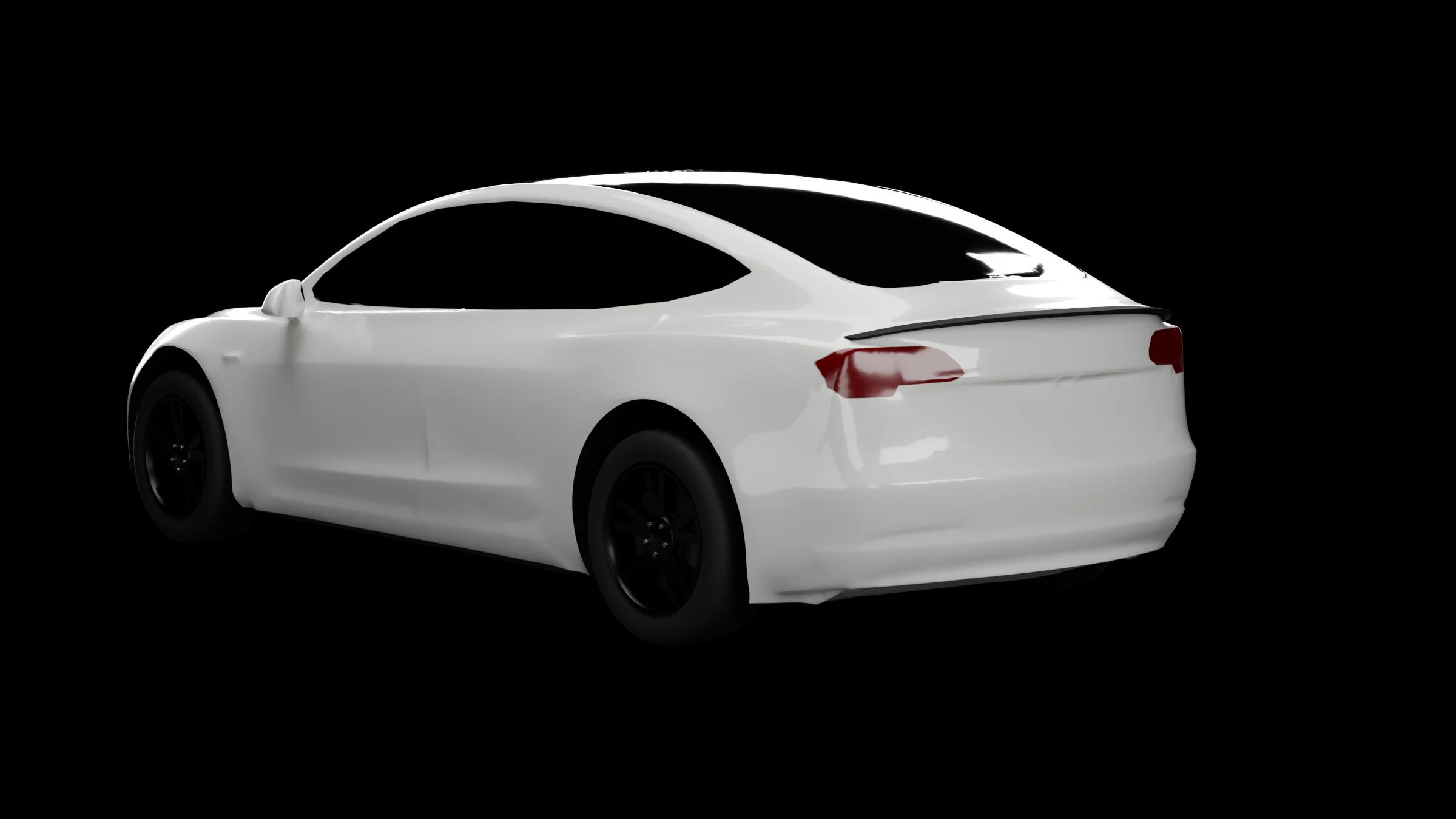
White Model 3 with the V3 Alpha spoiler, rear three-quarter view

V3 Alpha

$1,800

About 110 N of rear downforce at 80 mph.

The V3 Beta airfoil with two swept endplates at chopped tips. On our finest simulation it adds about 110 N of rear downforce at 80 mph and trims drag by about 2%.

Rear downforce, 80 mph
+110 N
Drag, 80 mph
−7 N
Weight (calc.)
≈225 g

Fits Tesla Model 3, 2017 to 2026. Coming soon: Model Y Gen 1 and the refreshed Model Y.

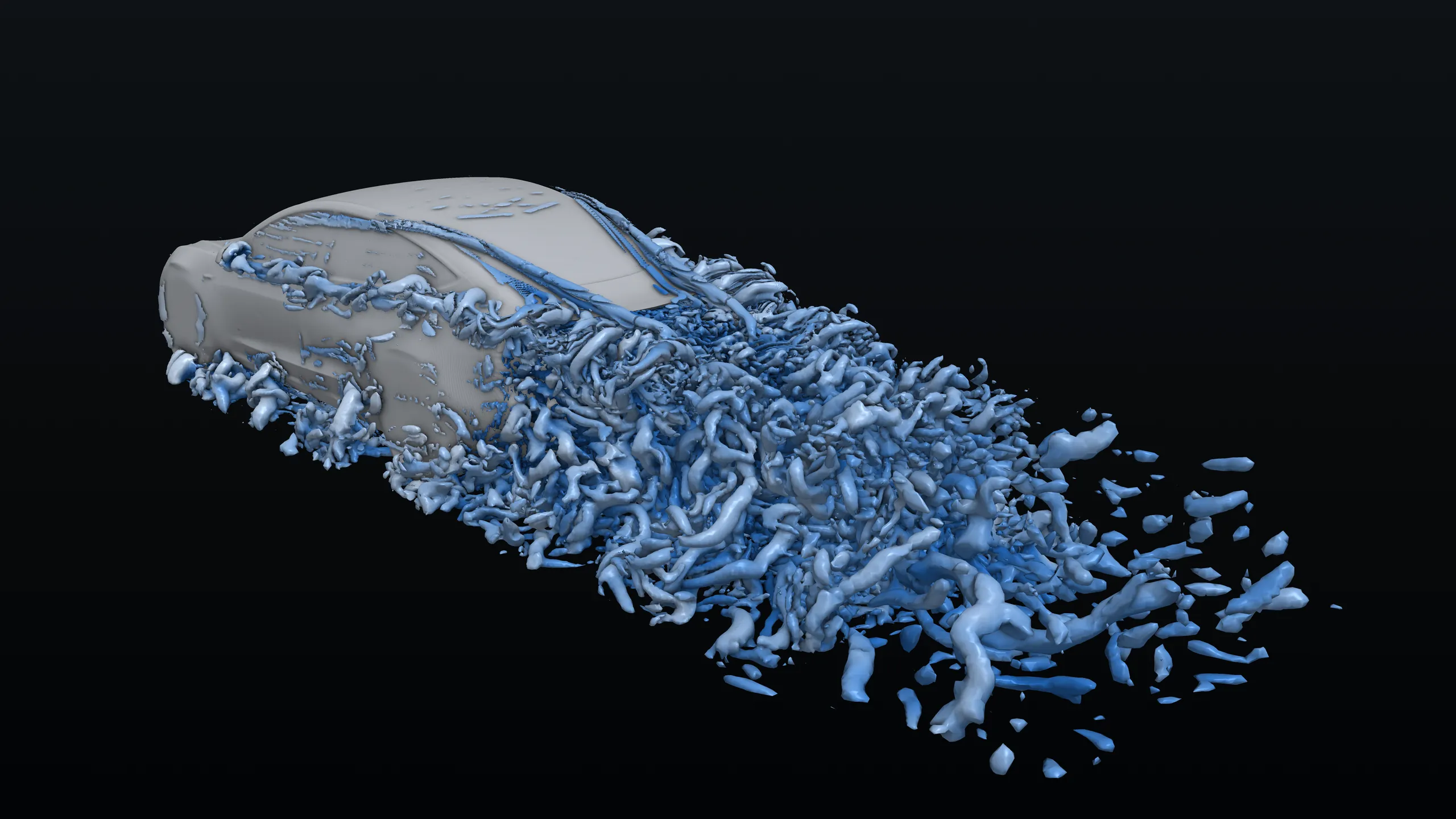
Swirling air streaming off the back of a Model 3 with the V3 Alpha, from the simulation at 80 mph

New: airflow

See the air around the car

Spin a Model 3 at 80 mph, take the spoiler on and off, and see the wake and the pressure that holds the rear down. Every picture comes from the same simulations as the numbers, on a 17.2 million cell mesh.

Open the airflow viewer

How a part earns its place

The rule behind every design on this site. Nothing skips a step.

01

Simulate first

Every shape runs in CFD before anything is made. Most ideas end here, on a screen, for the cost of compute.

02

Make what holds up

Only designs that hold up in simulation, on more than one mesh and more than one method, get made.

03

Prove it on the car

Physical and track testing is the last gate. Every on-car result is published labeled for what it is.

The work behind it

A receipt for the engineering

This is the running count of CFD on the Model 3 spoiler program: every solver run, every mesh, every hour. It is the work the price pays for.

See the results

CFD receipt

Tesla Model 3 spoiler program

Updated October 28, 2026


CFD solver runs
249
  over 10 minutes
156
Iterations + time steps
438,164
Meshes built
245
Solver hours, CPU-equiv.
≈665

CPU-equiv. core-hours
≈9,100

Totals only. All runs in OpenFOAM. Counts are lower bounds.

Simulated first. Made second.

On the developer’s Model 3 Performance

300 → 240 Wh/mi

Owner-reported after fitting the V3 Alpha. One car, not a controlled test. From drag alone, our finest simulation predicts about 3 Wh/mi less at the wheels at a steady 80 mph, far less than this. Treat it as one car’s observation until a controlled test is run.

Does it pay for itself?

Run the numbers for your state, your miles and your view of future electricity prices. Every scenario is calculated on our server from the same model.

Open the calculator

Install it once, and have a pro do it.

The skin is 0.7 mm thick. The spoiler is not designed to be removed, repositioned, or adjusted after it is installed, and trying can damage it. We strongly recommend professional installation.

Installation guide